
Comprehensive Peer Recovery Training Options
When I first looked into peer recovery training, I wanted something clear, practical, and effective. I needed a path that would help me support others facing addiction, incarceration, violence, or homelessness. If you feel the same, you’re in the right place. This post breaks down the best options for peer recovery training. I’ll share what I learned, so you can make the best choice for your journey.
What Is Peer Recovery Training?
Peer recovery training prepares people like us to help others heal. It’s about using our own experiences to guide and support those struggling. This training teaches skills like active listening, crisis intervention, and community resource navigation. It also builds confidence to work in recovery programs or community organizations.
The training is practical. It focuses on real-life situations. You learn how to connect with people, build trust, and encourage positive change. It’s not just theory. It’s hands-on learning that prepares you to make a difference.
Different Peer Recovery Training Programs
There are many peer recovery training programs available. Some are online, some in-person. Some last a few weeks, others several months. Here are some common types:
State-Certified Programs: These meet state requirements and often lead to certification. They include classroom learning and supervised practice.
Online Courses: Flexible and accessible, these courses let you learn at your own pace. They often include videos, quizzes, and discussion boards.
Community-Based Workshops: These are shorter and focus on specific skills or topics. They are great for hands-on practice and networking.
University or College Programs: Some schools offer certificates or degrees in peer recovery or behavioral health. These are more in-depth and may open doors to advanced roles.
Each program has its strengths. Choose one that fits your schedule, learning style, and career goals.

How to Get a Recovery Specialist Certificate?
Getting certified as a recovery specialist is a key step. It shows you have the skills and knowledge to support others effectively. Here’s how to get started:
Research State Requirements
Each state has different rules for certification. Check your state’s health department or recovery board website. They list approved programs and steps to get certified.
Complete an Approved Training Program
Enroll in a program that meets your state’s standards. This usually includes a set number of training hours and topics like ethics, communication, and recovery support.
Gain Practical Experience
Many certifications require supervised work or volunteer hours. This hands-on experience is crucial to apply what you’ve learned.
Pass a Certification Exam
Some states require an exam to test your knowledge. Prepare by reviewing your training materials and practice tests if available.
Apply for Certification
Submit your application with proof of training, experience, and exam results. There may be a fee involved.
Maintain Your Certification
Stay current by completing continuing education and renewing your certification as required.
Following these steps will help you become a certified recovery specialist ready to make an impact.
Choosing the Right Peer Recovery Training for You
When I chose my training, I asked myself a few questions:
What is my schedule like?
Do I prefer online or in-person learning?
What is my budget?
What kind of support do I want after training?
What are my career goals?
Answering these helped me narrow down options. For example, if you work full-time, an online program might be best. If you want hands-on practice, look for community workshops or state-certified programs with fieldwork.
Also, check if the program offers job placement help or ongoing support. This can make a big difference once you finish training.
Why Peer Recovery Specialist Training Matters
I can’t stress enough how important proper training is. It’s not just about a certificate. It’s about being ready to help others in their darkest moments. The right training gives you tools to:
Build trust with people who feel isolated
Navigate complex systems like healthcare and housing
Handle crises calmly and effectively
Encourage hope and resilience
Connect people to resources that change lives
This work is urgent. Every day, people need support to break free from addiction, incarceration, violence, or homelessness. With the right training, you can be that support.

Taking the Next Step
If you’re ready to start, here’s what I recommend:
Visit your state’s official website to find approved programs.
Look for programs with good reviews and clear outcomes.
Reach out to organizations like Arm&Arm Inc. for guidance and support.
Consider your personal experience and how it can help others.
Commit to the process and keep your goal in mind.
Remember, this is more than training. It’s a chance to change lives - including your own.
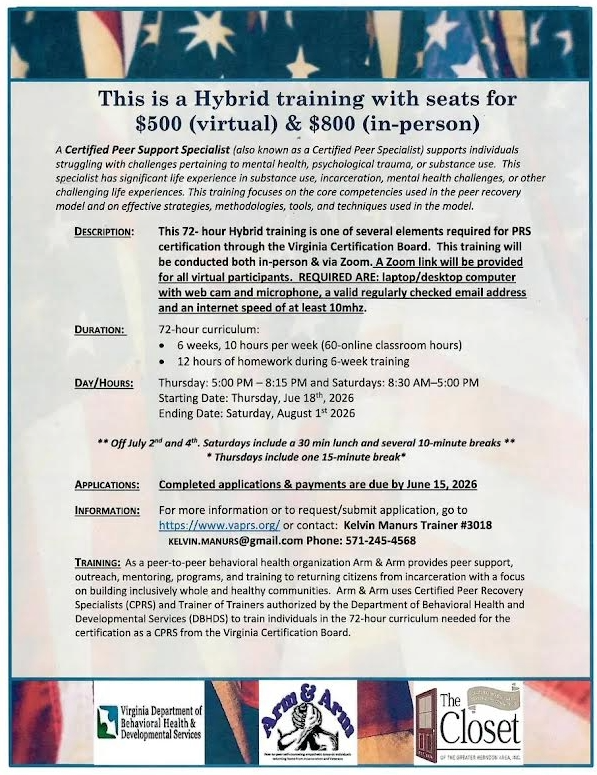
For those interested, you can explore peer recovery specialist training options that fit your needs and location.
Together, we can build stronger communities and brighter futures. Your journey starts now.



Comments