
Becoming a Peer Recovery Specialist: Your Path Through Peer Recovery Training
I want to share something powerful with you. Becoming a peer recovery specialist is more than a job. It is a chance to change lives - starting with your own. If you have faced addiction, incarceration, violence, or homelessness, you already have a story that can inspire others. You can turn your experience into a tool for healing and hope.
What Is Peer Recovery Training and Why It Matters
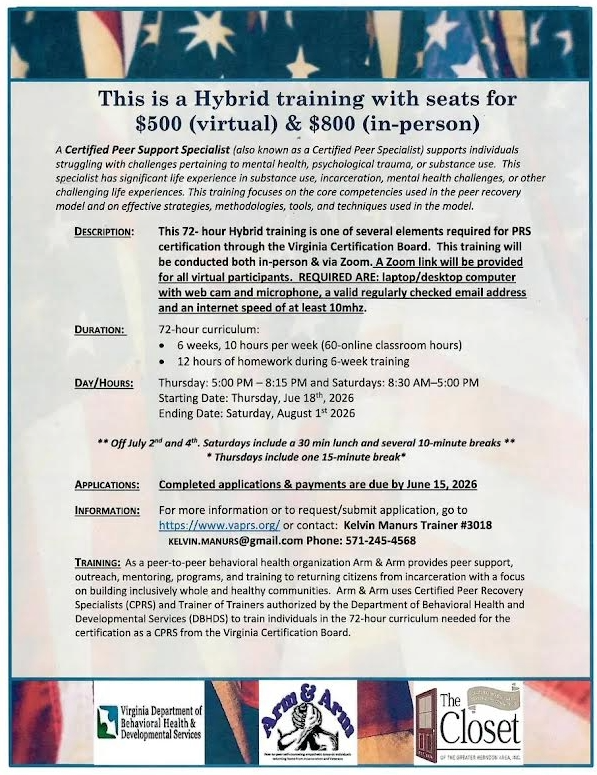
Peer recovery training is the foundation of becoming a peer recovery specialist. It teaches you how to support others who are walking the same difficult path you once walked. This training is about learning skills, yes, but it is also about building trust, empathy, and connection.
When I first heard about peer recovery training, I was skeptical. Could my story really help someone else? The answer is yes. Your lived experience is your strength. The training helps you use that strength wisely. You learn how to listen without judgment, how to guide without pushing, and how to stand firm when others feel lost.
This training covers many topics:
Understanding addiction and recovery
Communication skills
Crisis intervention
Ethics and boundaries
Community resources and referrals
Each part prepares you to be a steady, reliable support for someone in need. The training is practical and hands-on. You will practice real-life scenarios. You will learn how to handle tough moments with calm and care.

How to Get a Recovery Specialist Certificate?
Getting certified as a peer recovery specialist is a clear step forward. It shows you have the knowledge and skills to make a difference. The process is straightforward but requires commitment.
Here’s how you can get your certificate:
Find a Training Program
Look for a program that offers comprehensive peer recovery specialist training. Many programs are available online or in-person. Choose one that fits your schedule and needs.
Complete Required Hours
Most programs require a set number of training hours. This usually includes classroom learning and practical experience.
Pass the Exam
After training, you will take an exam to test your knowledge. Don’t worry - the training prepares you well.
Apply for Certification
Submit your application to the certifying body. This may include background checks and proof of your training completion.
Maintain Your Certification
Certification is not forever. You will need to renew it periodically by completing continuing education.
By earning your certificate, you open doors to work in hospitals, community centers, recovery programs, and more. You become a trusted guide for people who need someone who truly understands.
What Does a Peer Recovery Specialist Do?
The role of a peer recovery specialist is unique. You are not just a counselor or a therapist. You are a peer - someone who has been there. Your job is to walk alongside others as they find their way.
Here are some key duties:
Provide Emotional Support
You listen and offer hope. You share your story when it helps. You remind others they are not alone.
Help Navigate Resources
You connect people to housing, healthcare, job training, and legal help. You know the community and how to access it.
Advocate for Clients
You speak up for those who feel unheard. You help them find their voice.
Lead Support Groups
You facilitate meetings where people share and heal together.
Promote Wellness and Recovery
You encourage healthy habits and positive choices.
This work is rewarding but not easy. It requires patience, resilience, and heart. You will see setbacks and struggles. But you will also witness breakthroughs and new beginnings.

Why Your Experience Is Your Greatest Asset
You might wonder if your past struggles disqualify you from helping others. The truth is the opposite. Your experience is your greatest asset. It gives you insight no textbook can teach.
When you share your story, you build trust. People listen because you have walked in their shoes. You understand the pain, the fear, and the hope.
This connection can spark change. It can break down walls of shame and isolation. It can light a path forward.
Remember, being a peer recovery specialist is not about being perfect. It is about being real. It is about showing that recovery is possible.
How to Start Your Journey Today
If you feel called to become a peer recovery specialist, don’t wait. Start today. Here are some steps you can take right now:
Research Training Programs
Find a program that offers peer recovery specialist training. Look for one that fits your goals and schedule.
Reach Out for Support
Talk to someone who is already a peer recovery specialist. Ask questions. Learn from their experience.
Set Your Goals
Write down why you want to do this work. Keep your reasons close to your heart.
Prepare for the Commitment
Training takes time and effort. Make a plan to balance it with your life.
Believe in Your Power to Help
You have the strength to make a difference. Trust yourself.
Becoming a peer recovery specialist is a journey of healing and hope. It is a way to turn your past into a future filled with purpose. You can be the light that guides others out of darkness.
Take the first step. Your community needs you.
Thank you for reading. If you want to learn more about peer recovery specialist training and how to get started, visit Arm&Arm Inc. They are dedicated to empowering people just like you to build stable, independent lives and heal communities in the D.C. metro area.



Comments