
Why Peer Recovery Specialist Certification Matters
When I first learned about peer mentoring certification, I didn’t realize how powerful it could be. It’s more than just a piece of paper. It’s a key that opens doors. It’s a way to build trust, show commitment, and make a real difference. For people facing addiction, incarceration, violence, or homelessness, this certification can change lives. It changes mine, and it can change yours too.
The Power of Peer Recovery Specialist Certification
Peer mentoring certification is not just a credential. It’s a symbol of hope and strength. When someone earns this certification, they prove they have the skills and knowledge to support others. They show they understand the struggles because they have lived them. This connection is powerful. It builds trust quickly. It breaks down walls that often keep people isolated.
Certified peer mentors know how to listen without judgment. They know how to guide without pushing. They create safe spaces where people feel seen and heard. This is why peer mentoring certification matters so much. It ensures that mentors are ready to help in the best way possible.
Here’s why it matters:
It builds credibility with clients and organizations.
It ensures mentors have proper training.
It improves the quality of support.
It helps mentors grow personally and professionally.
It strengthens communities by creating networks of support.

Why Peer Recovery Specialist Certification is Essential
If you want to help others, you need more than good intentions. You need skills. You need knowledge. You need a clear understanding of boundaries and ethics. Peer mentoring certification provides all of this. It prepares you to face challenges with confidence.
In the D.C. metro area, where many face addiction, incarceration, violence, or homelessness, certified peer mentors are a lifeline. They bring hope and guidance. They help people find their way back to stability and independence.
Certification programs cover:
Communication skills
Crisis intervention
Ethics and confidentiality
Recovery principles
Cultural competence
This training makes a difference. It turns good intentions into real results.
What does it take to become a certified peer specialist?
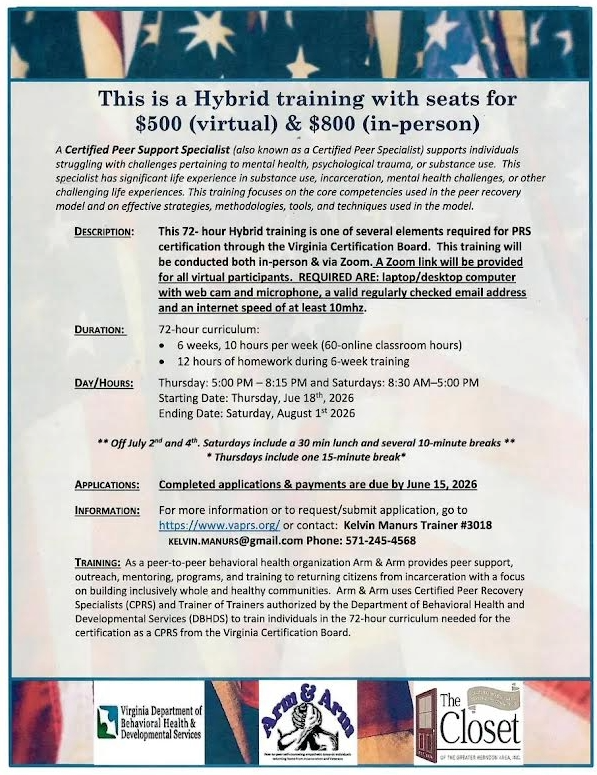
Becoming a certified peer specialist is a journey. It takes dedication and hard work. But it’s worth every step. The process usually involves several key steps:
Personal Experience - You need to have lived experience with recovery or overcoming challenges like addiction or homelessness. This experience is the foundation of your ability to help others.
Training - You must complete a training program that covers essential skills and knowledge. This training is often several weeks long and includes both classroom and practical learning.
Examination - After training, you take a test to prove your understanding of the material.
Background Check - Many programs require a background check to ensure safety and trustworthiness.
Ongoing Education - Certification is not a one-time event. You need to keep learning and growing to maintain your certification.
This process ensures that certified peer specialists are ready to support others effectively and safely.

How Certification Benefits You and Your Community
When you become certified, you gain more than just a title. You gain confidence. You gain respect. You gain the ability to make a real impact. This certification opens doors to jobs and volunteer opportunities. It connects you with a network of peers who share your passion.
For the community, certified peer mentors bring stability. They reduce isolation. They help people avoid relapse or reoffending. They guide people toward resources and services that can change their lives.
Here’s what certification can do for you and your community:
For You:
- Boost your self-esteem
- Improve your communication skills
- Increase your job prospects
- Build a supportive network
For Your Community:
- Create safer neighborhoods
- Reduce homelessness and addiction rates
- Promote healing and recovery
- Strengthen community bonds
Certification is a win-win. It empowers individuals and uplifts entire communities.
How to Get Started with Peer Recovery Specialist Certification
If you feel called to help others, getting certified is a great first step. Here’s how you can start:
Research Programs - Look for programs that offer peer mentoring certification in your area. Make sure they are recognized and respected.
Check Requirements - Understand what you need to qualify. This might include your personal experience and any prerequisites.
Apply and Enroll - Submit your application and enroll in the training program.
Commit to Learning - Attend all classes, participate actively, and complete assignments.
Pass the Exam - Study hard and pass the certification exam.
Stay Connected - Join peer support groups and continue your education.
Remember, this is a journey. Take it one step at a time. The rewards are worth it.
If you want to learn more about the process, you can explore peer support specialist certification programs that provide detailed guidance and support.
The Impact of Certified Peer Mentors in Recovery
I have seen firsthand how certified peer mentors change lives. They bring hope where there was despair. They offer guidance where there was confusion. They stand beside people when no one else will.
Certified peer mentors help people navigate the tough road to recovery. They share their stories, showing that change is possible. They provide tools and resources that make recovery real and lasting.
In places like Northern Virginia, D.C., and Maryland, where many face complex challenges, certified peer mentors are a beacon of light. They help people move from crisis to stability. They help build futures filled with promise.
If you want to be part of this change, certification is your first step. It’s your way to make a difference that lasts.
Becoming a certified peer mentor is more than a career move. It’s a commitment to yourself and your community. It’s a promise to stand with those who need it most. It’s a chance to turn your experience into hope for others.
Take that step today. Get certified. Make a difference. Change lives.



Comments