
Achieving Certification as a Peer Support Specialist: Your Guide to the Peer Mentoring Certification Process
Becoming a peer support specialist is more than a job. It is a calling. It is about using your own experiences to help others find hope and healing. If you have faced addiction, incarceration, violence, or homelessness, you know how hard the journey can be. You also know how powerful it is to have someone who understands walk beside you. That is what peer support is all about.
Getting certified as a peer support specialist opens doors. It gives you the tools, the knowledge, and the credibility to make a real difference. It also connects you to a community of people who share your passion. In this post, I will walk you through the peer mentoring certification process. I will share practical steps, tips, and encouragement to help you succeed.
Understanding the Peer Mentoring Certification Process
The peer mentoring certification process is designed to prepare you to support others effectively. It is not just about training. It is about transformation. You will learn how to listen deeply, communicate clearly, and set healthy boundaries. You will also learn about ethics, confidentiality, and crisis intervention.
Here is what the process usually involves:
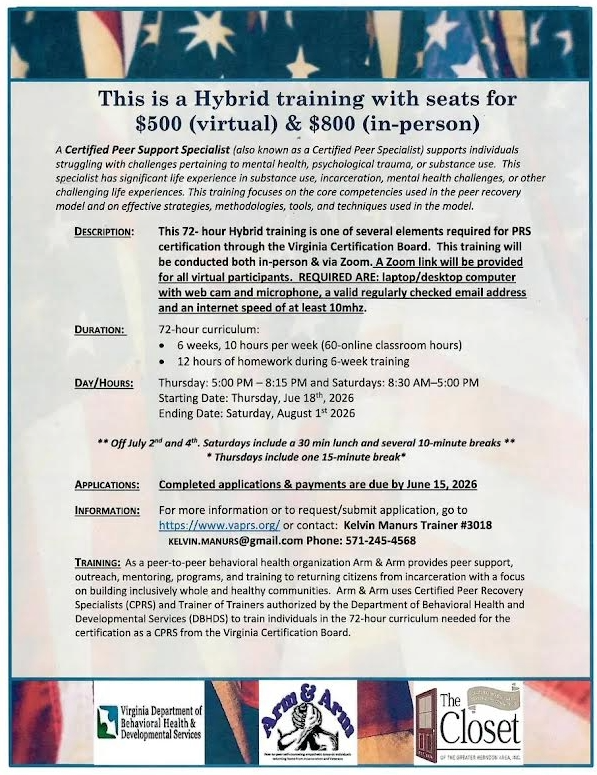
Training Hours: Most programs require between 40 to 80 hours of training. This can be in-person or online.
Work Experience: Some certification programs ask for a certain number of hours working or volunteering in peer support roles.
Examination: You may need to pass a written or practical exam to demonstrate your knowledge and skills.
Application: You will submit an application with proof of training, experience, and sometimes letters of recommendation.
Continuing Education: Certification is not a one-time event. You will need to keep learning to maintain your status.
The training covers topics like recovery principles, communication skills, trauma-informed care, and cultural competence. It is important to choose a program that fits your needs and goals.

Why Certification Matters
You might wonder why certification is necessary. After all, you have lived experience. That is valuable. But certification adds structure and professionalism to your role. It shows employers and clients that you have met certain standards. It also protects you and those you serve by ensuring you know the best practices.
Certification can increase your job opportunities. Many organizations require it for peer support roles. It can also boost your confidence. Knowing you have the right skills helps you support others better.
Most importantly, certification connects you to a network. You gain access to resources, mentorship, and ongoing support. This network can be a lifeline as you navigate your new role.
How to become a certified peer support specialist in NC?
If you are in North Carolina, the path to becoming a certified peer support specialist is clear and structured. The state offers a specific certification program that aligns with national standards.
Here are the key steps:
Meet Eligibility Requirements: You must be at least 18 years old and have lived experience with mental health or substance use challenges.
Complete Required Training: North Carolina requires 40 hours of approved peer support training.
Gain Supervised Experience: You need to complete 500 hours of supervised peer support work within 12 months.
Pass the Certification Exam: After training and experience, you take a written exam.
Apply for Certification: Submit your application with all documentation to the North Carolina Certification Board.
The state also requires continuing education to maintain certification. This ensures you stay current with best practices.
If you live near the D.C. metro area, you might find similar programs in Virginia or Maryland. Each state has its own requirements, so check local resources.

Tips for Success in the Certification Journey
The path to certification can feel overwhelming. Here are some tips to help you stay on track:
Set Clear Goals: Know why you want to become certified. Keep that reason close when challenges arise.
Find a Mentor: Connect with someone who is already a certified peer support specialist. They can guide you and offer encouragement.
Stay Organized: Keep track of your training hours, work experience, and paperwork. This will make the application process smoother.
Practice Self-Care: Supporting others can be emotionally demanding. Take care of your own mental and physical health.
Engage with Your Community: Join peer support groups or online forums. Sharing experiences helps you learn and grow.
Ask Questions: Don’t hesitate to reach out to certification boards or training providers if you need clarification.
Remember, every step you take brings you closer to making a difference in someone’s life.
The Impact You Can Make as a Certified Peer Support Specialist
Once certified, your role is powerful. You become a beacon of hope. You show others that recovery is possible. You help people navigate tough times with empathy and understanding.
Your work can reduce hospital visits, lower relapse rates, and improve quality of life. You can help people find housing, jobs, and community connections. You can be the steady presence that says, "You are not alone."
This is urgent work. Many people in our communities face addiction, incarceration, violence, or homelessness. They need someone who has walked the path and can guide them forward.
By achieving certification, you step into a role that changes lives - including your own.
If you are ready to start your journey, explore the peer support specialist certification options available to you. Take the first step today. Your experience matters. Your voice matters. Your support matters.



Comments