
Peer Recovery Specialist Careers: Unlocking New Opportunities
When I first learned about peer recovery specialist careers, I felt a spark of hope. These roles offer a chance to make a real difference. They provide a path for people who have faced addiction, incarceration, violence, or homelessness to help others walk the same road to recovery. If you want to turn your experience into a meaningful career, this is the place to start.
Peer recovery specialists use their own stories to guide others. They build trust, offer support, and help people find resources. This work is powerful because it comes from a place of understanding and shared experience. It’s not just a job - it’s a mission.

Exploring Peer Recovery Specialist Careers
Peer recovery specialist careers are growing fast. More organizations recognize the value of lived experience in recovery. This means more job openings and more chances to build a career that matters.
These roles exist in many settings:
Treatment centers
Hospitals
Community organizations
Correctional facilities
Homeless shelters
Each setting offers unique challenges and rewards. You might help someone find housing, connect to medical care, or simply listen when they need to talk. Your role is to walk alongside them, offering hope and guidance.
To succeed, you need strong communication skills and empathy. Training and certification are often required, but many programs are affordable and accessible. The work is demanding but deeply fulfilling.
If you want to find peer recovery support specialist jobs, start by checking local health departments, nonprofits, and online job boards. Networking with others in recovery can also open doors.
What Jobs Pay $250 an Hour?
While peer recovery specialist careers are rewarding, they typically do not pay $250 an hour. That rate is more common in specialized medical or legal professions. However, peer recovery specialists can earn a solid income, especially with experience and additional certifications.
Some related roles that might offer higher pay include:
Licensed counselors or therapists with peer recovery backgrounds
Program directors in recovery organizations
Consultants for recovery programs
If your goal is to maximize income, consider combining peer recovery work with further education or training. This can open doors to supervisory or clinical roles that pay more.
Still, the true value of peer recovery work lies in the impact you make. Helping someone reclaim their life is priceless.

How to Get Started in Peer Recovery Specialist Careers
Starting a career as a peer recovery specialist is straightforward but requires commitment. Here’s a step-by-step guide:
Assess Your Experience
You need personal experience with recovery from addiction, incarceration, violence, or homelessness. This lived experience is your greatest asset.
Find a Training Program
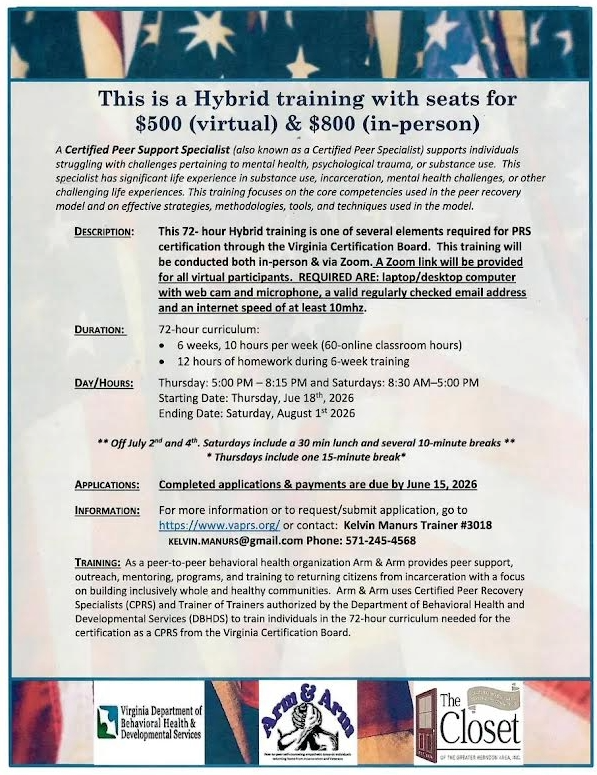
Look for accredited peer recovery specialist training programs. Many are available online or in-person in the D.C. metro area.
Get Certified
Certification requirements vary by state. In Virginia, Maryland, and D.C., you’ll need to pass an exam and complete supervised hours.
Apply for Jobs
Use local job boards, health departments, and nonprofit organizations to find openings. Consider starting as a volunteer or intern to gain experience.
Keep Learning
Attend workshops, join peer support groups, and stay updated on best practices. This will help you grow and advance.
Remember, your story is your strength. Use it to inspire and empower others.
The Impact of Peer Recovery Specialists in the Community
Peer recovery specialists do more than support individuals. They help heal communities. When people recover, families heal. Neighborhoods become safer. The cycle of addiction, incarceration, and homelessness can be broken.
Organizations like Arm&Arm Inc. are leading this change in the D.C. metro area. They empower people to transition to stable, independent lives. This work creates hope where it’s needed most.
By becoming a peer recovery specialist, you join a movement. You become part of a team that changes lives every day. Your work helps build stronger, healthier communities.
Finding the Right Job for You
There are many peer recovery support specialist jobs available, but finding the right fit is key. Consider these tips:
Match Your Passion
Choose a setting that aligns with your interests. Do you want to work in healthcare, criminal justice, or housing support?
Check the Culture
Look for organizations that value peer input and offer ongoing support.
Consider Growth Opportunities
Find jobs that offer training, advancement, and leadership roles.
Evaluate Location and Hours
Make sure the job fits your lifestyle and commute preferences.
By taking time to find the right job, you set yourself up for success and satisfaction.
Your Next Step Starts Now
If you’re ready to turn your experience into a career, don’t wait. Peer recovery specialist careers offer a chance to make a real difference. They offer hope, healing, and a future.
Explore training programs today. Reach out to local organizations. Apply for peer recovery support specialist jobs and start your journey.
Your story matters. Your work matters. Together, we can build a stronger community.
Empower yourself. Empower others. Become a peer recovery specialist and change lives.



Comments