
Career Paths for Peer Recovery Careers
Starting a career as a peer recovery specialist can change lives. It changed mine. I found purpose in helping others who face addiction, incarceration, violence, or homelessness. If you are looking for a meaningful job, this path might be for you. Let me share what I’ve learned about the opportunities and growth in this field.
Exploring Peer Recovery Careers
Peer recovery careers are about more than just a job. They are about connection, hope, and healing. As a peer recovery specialist, you use your own experience to guide others. You become a living example that recovery is possible.
There are many roles within this field. You can work in hospitals, community centers, shelters, or recovery programs. Some specialists focus on addiction recovery. Others help people reintegrate after incarceration or support those escaping violence or homelessness.
Here are some common career paths:
Peer Recovery Coach: You work one-on-one with clients. You help them set goals, find resources, and stay motivated.
Case Manager: You coordinate services for clients. This might include housing, healthcare, or job training.
Outreach Specialist: You connect with people in the community who need help but may not seek it on their own.
Program Coordinator: You manage recovery programs and support groups.
Trainer or Educator: You teach new peer specialists or lead workshops on recovery topics.
Each role requires empathy, patience, and strong communication skills. Your lived experience is your greatest asset. It builds trust and breaks down barriers.

How to Start Your Career in Peer Recovery
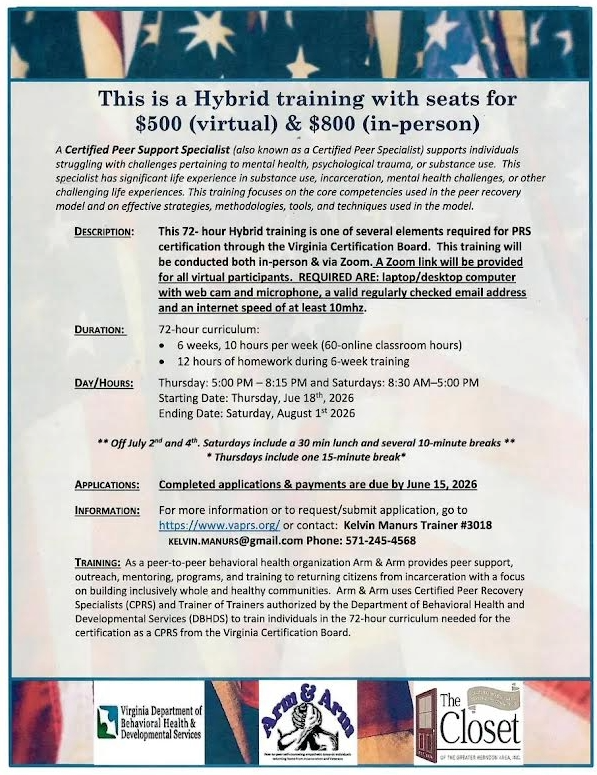
Starting a career in peer recovery is straightforward but requires dedication. Most positions require certification. Certification programs teach you about ethics, boundaries, and recovery tools. They also prepare you to handle crisis situations.
Here’s a simple step-by-step guide:
Gain Personal Recovery Experience: Your own journey is the foundation.
Complete a Certified Peer Recovery Specialist Program: Look for state-approved courses.
Apply for Jobs: Search for peer recovery support specialist jobs in your area.
Continue Learning: Attend workshops and trainings to grow your skills.
Network: Connect with other specialists and organizations.
Many employers value passion and experience over formal education. Your story matters. It can inspire others to take the first step toward recovery.
What Jobs Pay $250 an Hour?
While peer recovery careers are rewarding, they often do not pay $250 an hour. However, some specialized roles or consulting positions in the broader mental health and recovery field can reach this rate. For example:
Licensed Therapists or Counselors with peer recovery experience may charge higher rates.
Private Recovery Coaches who build a strong reputation and client base.
Consultants who advise organizations on peer recovery program development.
If your goal is to earn a high hourly rate, consider combining your peer recovery skills with additional certifications or licenses. This can open doors to higher-paying roles while still allowing you to support others.
Growing Your Career and Impact
The field of peer recovery is growing fast. More organizations recognize the value of lived experience. This means more job openings and chances to advance.
To grow your career:
Seek Leadership Roles: Become a program manager or director.
Specialize: Focus on areas like trauma-informed care or youth recovery.
Advocate: Work on policy changes to improve recovery services.
Educate: Train new peer specialists or lead community workshops.
Each step you take helps build stronger support systems for people in need. Your work creates ripples of change in your community.

Finding Meaning and Stability in Peer Recovery Careers
Choosing a career in peer recovery means choosing to make a difference every day. It means walking alongside people as they rebuild their lives. It means hope, resilience, and healing.
If you are ready to start or grow your career, remember this:
Your experience is powerful.
Your voice matters.
Your work changes lives.
Look for opportunities in your area. Explore peer recovery support specialist jobs and take the first step. The path may not always be easy, but it is worth it.
Together, we can build stronger communities. Together, we can heal.
If you want to learn more about peer recovery careers or need guidance, reach out to local organizations. They can help you find training, jobs, and support. Your journey starts now.



Comments