
Achieving Certification for Peer Mentors: A Path to Empowerment and Change
Becoming a peer mentor is more than a job. It is a calling. It is a chance to help others who face challenges like addiction, incarceration, violence, or homelessness. But to make a real difference, you need the right tools and recognition. That is where certification comes in. Getting certified shows you have the skills and knowledge to support others effectively. It also opens doors to new opportunities and growth.
Why Certification for Peer Mentors Matters
Certification for peer mentors is not just a piece of paper. It is proof of your commitment and ability. When you earn this credential, you gain credibility. People trust you more. Agencies and organizations are more likely to hire you. You also join a community of peers who share your passion and goals.
Certification helps you learn best practices. You get trained in communication, boundaries, ethics, and crisis management. These skills are essential when working with people in tough situations. You learn how to listen deeply, offer hope, and guide others toward recovery and stability.
For those struggling with addiction, incarceration, violence, or homelessness, having a certified peer mentor can be life-changing. Certified mentors understand the journey because they have walked it themselves. They offer empathy and practical advice that professionals without lived experience may not provide.

What does it take to become a certified peer specialist?
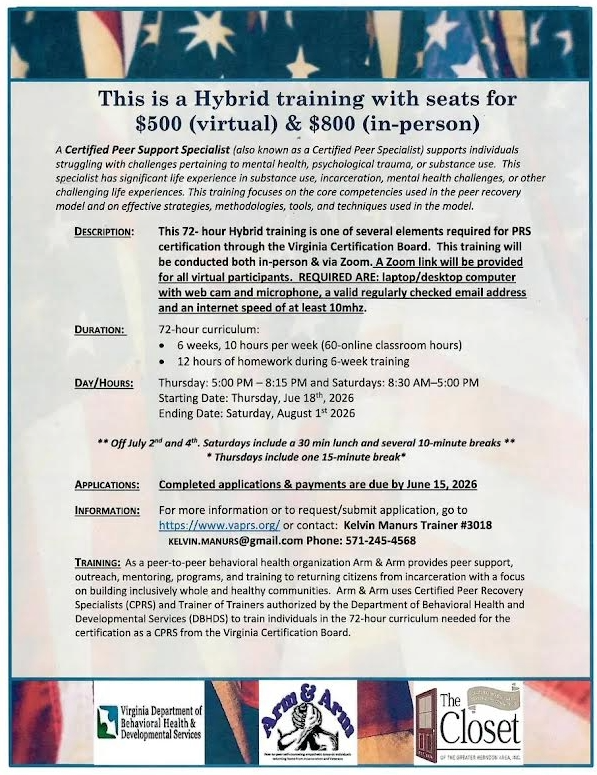
Becoming a certified peer specialist requires dedication and effort. The process usually involves several key steps:
Meet Eligibility Requirements
Most programs require you to have lived experience with mental health or substance use challenges. You must be in recovery and stable in your own life. Some states or organizations may have age or residency requirements.
Complete Training
Training programs cover topics like recovery principles, communication skills, ethics, and crisis intervention. Training can last from a few days to several weeks. It often includes both classroom learning and practical exercises.
Pass an Exam
After training, you may need to pass a written or oral exam. This test ensures you understand the material and can apply it in real situations.
Apply for Certification
You submit an application with proof of training, exam results, and sometimes letters of recommendation. There may be a fee involved.
Maintain Certification
Certification is not forever. You must renew it periodically by completing continuing education and demonstrating ongoing work in the field.
Each step builds your confidence and competence. It prepares you to support others with respect and skill.
How Certification Empowers You and Those You Help
Certification for peer mentors gives you more than knowledge. It gives you power - the power to change lives. When you are certified, you can:
Build Trust Quickly
People are more likely to open up to someone who is recognized and trained. Your certification shows you are serious and prepared.
Work in More Settings
Certified peer mentors can work in hospitals, community centers, recovery programs, and criminal justice settings. This variety lets you find the best fit for your passion.
Advocate for Yourself and Others
Certification teaches you how to speak up for your needs and the needs of those you serve. You become a stronger voice in your community.
Grow Professionally
With certification, you can pursue advanced roles, leadership positions, or specialized training. Your career path expands.
Make a Lasting Impact
Your work helps individuals move from crisis to stability. You contribute to healing families and communities.

Practical Tips for Navigating the Certification Process
If you are ready to pursue certification, here are some tips to help you succeed:
Research Local Programs
Certification requirements vary by state and organization. Find programs in Northern Virginia, D.C., or Maryland that fit your needs.
Connect with Certified Peers
Talk to people who have already earned certification. They can share advice and encouragement.
Prepare for Training
Set aside time and create a quiet space for learning. Take notes and ask questions.
Practice Self-Care
The process can be intense. Make sure to rest, eat well, and seek support when needed.
Stay Organized
Keep track of deadlines, documents, and fees. Being organized reduces stress.
Use Available Resources
Many organizations offer scholarships, mentorship, or study groups. Take advantage of these.
By following these steps, you increase your chances of success and make the journey smoother.
Your Next Step Toward Making a Difference
Achieving peer support specialist certification is a powerful way to turn your experience into a force for good. It equips you with the skills and recognition to help others rebuild their lives. It connects you to a community of peers who share your mission. And it opens doors to meaningful work that changes lives every day.
If you are ready to take this step, start by exploring local certification programs. Reach out to organizations that support peer mentors. Remember, your journey matters. Your voice matters. Your certification is the key to unlocking your full potential as a peer mentor.
Together, we can build stronger, healthier communities where everyone has a chance to thrive.



Comments